Choosing texts to support comprehension
What is comprehension?
Comprehension is an active process that involves a reader understanding and interpreting what is being read as they read. The process begins with the first sentence of a text (or even the title, the blurb, the front cover, an introduction or a recommendation) and the reader continues to build understanding throughout the reading. Readers construct semantic connections between successive words, phrases, and sentences in order to understand. No two readers will understand a text in quite the same way, as comprehension depends on prior knowledge and experience.
What impacts reading comprehension?
 Comprehension is largely impacted by decoding ability, oral language competency (including vocabulary), fluency and knowledge and/or experience with the topic and type of text being used. Efficient decoding is a comprehension enabler, but not a guarantee.
“Even if the pronunciation of all the letter strings in a passage are correctly decoded, the text will not be comprehended if the child (1) does not know the words in their spoken form, (2) cannot parse the syntactic and semantic relationships among the words, or (3) lacks the critical background knowledge or inferential skills to interpret the text appropriately and ‘read between the lines’” (Scarborough, 2001, p. 98).
Reading comprehension is also impacted by the particular text being read and the purpose for reading. The degree of difficulty similarly impacts comprehension. Difficulty may be determined by the vocabulary in the text and ratio of known and unknown words. Having knowledge of what is being read, that is, background knowledge, facilitates comprehension. Familiarity with the genre and interest in the topic also make a big difference to a reader. Reading texts in a series can facilitate comprehension, as the reader can draw on knowledge from earlier reading. Engaging in discussions about texts and analysing texts has shown to impact positively on comprehension, as has providing opportunities for children to write (and draw) in response to texts (Duke, Ward & Pearson, 2021).
Fluency is an important factor in facilitating text comprehension (Kim et al, 2021). While fluent reading does not necessarily guarantee comprehension (Kim et al, 2014), it has been shown as a contributing factor (see fluency section).
Dirt by Sea by Michael Wagner and Tom Jellet, a fantastic mentor text. Download PETAA's curriculum unit based on the book.
Why promote comprehension?
The ultimate goal of reading should always be meaning making. Readers need to be able to gain literal meaning from texts, be able to infer, drawing on knowledge of the text content, and make connections using background knowledge. 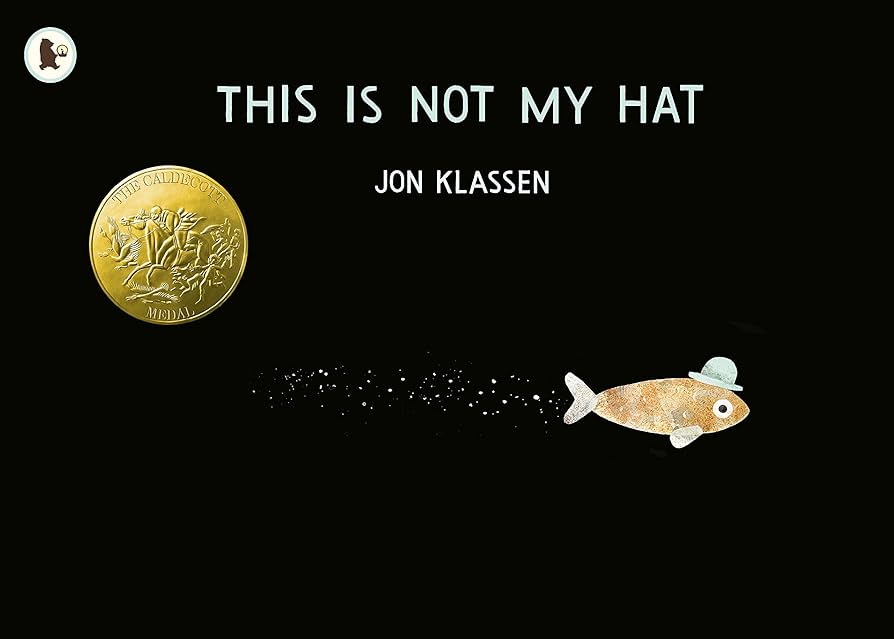 Readers also need to engage in evaluative practices when reading, including thinking about the purpose of the text and thinking critically about the text’s messages.
Luke and Freebody’s Four Resources model (1999) highlights the importance of code-breaking, meaning making, text use and reading critically.
You can teach students to engage critically with texts to support comprehension. One question that can be asked to support students with reading critically is: “Whose voices are heard and whose voices are silent in a text and why?”.
Thinking about the choices authors and illustrators make can assist students with thinking about texts more deeply. Even young students can engage with thinking critically when reading.
For example, think of the text This is not my hat by Jon Klassen that tells a simple story of a little fish that steals the hat of a very big sleeping fish. The little fish is narrating the story, and we do not get to hear from the big fish, even when he wakes up. Thinking critically, you could ask students what we think the big fish might say when he wakes up and realises his hat is missing, or why did the author decide not to mention the big fish in the text? A follow up activity might involve giving the big fish a voice and narrating the story from his perspective.
This is not my hat by Jon Klassen
Who should learn to comprehend?
All students learning to read need to experience success with decoding (see section on decoding) to facilitate comprehension; therefore it is important that comprehension is taught simultaneously with code breaking. Reading for meaning promotes reading engagement and enjoyment.
Comprehension is always the goal of reading. “Given the absolute necessity of foundational word-reading skills, it is tempting to think that instruction should begin with a focus on developing those and later turn to comprehension. However, research has supported a simultaneous, rather than sequential, model of reading instruction” (Duke and colleagues, 2021, p.665).
Which texts should we use to teach reading comprehension?
Most authentic texts can be used to focus on comprehension. It is important to teach comprehension using a range of high-quality texts. High-quality texts are those that offer diverse representations, are of interest to students, and vary in format, length, and genre (Smith and colleagues, 2023). The choice will be determined by a range of factors, such as who is doing the reading? What is the purpose of the text?
Texts that have a clear narrative or message, or factual information that is relevant and can be checked, will support comprehension. As demonstrated above, even texts with minimal words can be used to teach comprehension.
How do you teach reading comprehension?
Most students will need to be explicitly taught strategies that facilitate comprehension, e.g. visualising, inferring, making connections and summarising. However, such strategies are only effective insofar as the reader has the requisite background knowledge, highlighting the importance of text selection and building the field to support students to comprehend the text they are reading. A dialogic approach in which students engage in rich discussions about texts has been shown to improve comprehension (McKeown et al, 2009).
Reading aloud to students provides one of the best opportunities to talk about the thinking that occurs while reading, articulating the strategies that a skilled reader will use to facilitate comprehension. (See Read Aloud section below.)
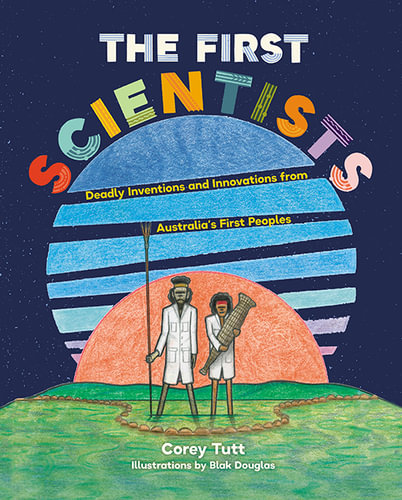
The First Scientists: Deadly Inventions and Innovations from Australia’s First Peoples by Corey Tutt. Download PETAA's curriculum unit of work based on the text.
Dialogic reading (Corhssen et al, 2016) is also a powerful strategy that involves the teacher and student/s having an interactive dialogue (or conversation) based upon a shared text. Sometimes the text is a large text (Big Book) which allows the students to see the text as well as the illustrations. The process can promote listening comprehension.
Close reading is another approach that supports students with reading complex texts. It usually involves four elements:
- Repeated reading of a text extract or short text
- Text annotations to illustrate thinking
- Teacher facilitating a discussion to promote text analysis
- Student discussion and analysis
This process needs to be modelled to students and then explicit steps provided. PETAA has provided numerous examples of how to teach close reading in their Curriculum Units of Work. See for example, the curriculum unit based on Book of Curious Birds by Jennifer Cossins as outlined below:
|
Close reading with information texts
Pages 22—23 (Blue-Footed Booby) will be used for Close Reading. The structure and layout of this text makes it ideal for analysing the tools that authors use when creating a text to inform.
While pp. 22—23 have been chosen for analysis the same process could be adapted to any of the other birds featured in the book.
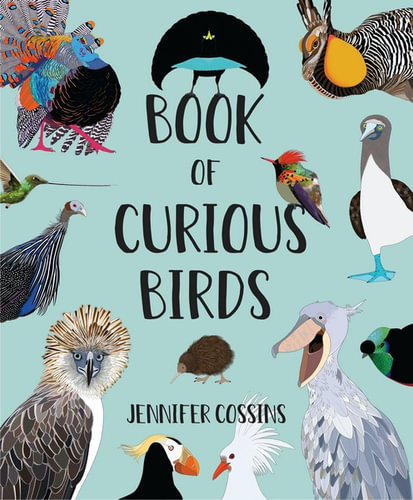
Book of Curious Birds by Jennifer Cossins. Download the full PETAA curriculum unit based on this text.
Whole text layout:
Support students to notice and identify the function of the parts of the text including:
- Heading – identifies and names the bird
- Subtitle – highlights a unique feature of the bird
- Data summary – provides a quick overview
- Text paragraphs – provides additional information about the appearance and habits of the bird
- Highlighted text – breaks up the text with an interesting fact (you might like to discuss how this supports readers who may be skim reading the book to find information of interest).
Compare the identified features to another entry in the book so that students can see how this structure can be adapted. How does this predictable structure support readers to make meaning from the text? AC9E3LY04, AC9E3LY05
|
Text examples
PETAA’s Curriculum Units of Work all provide examples of explicit teaching of comprehension and close reading.
For example, explore the curriculum unit based on Dirt By Sea by Michael Wagner and Tom Jellett.
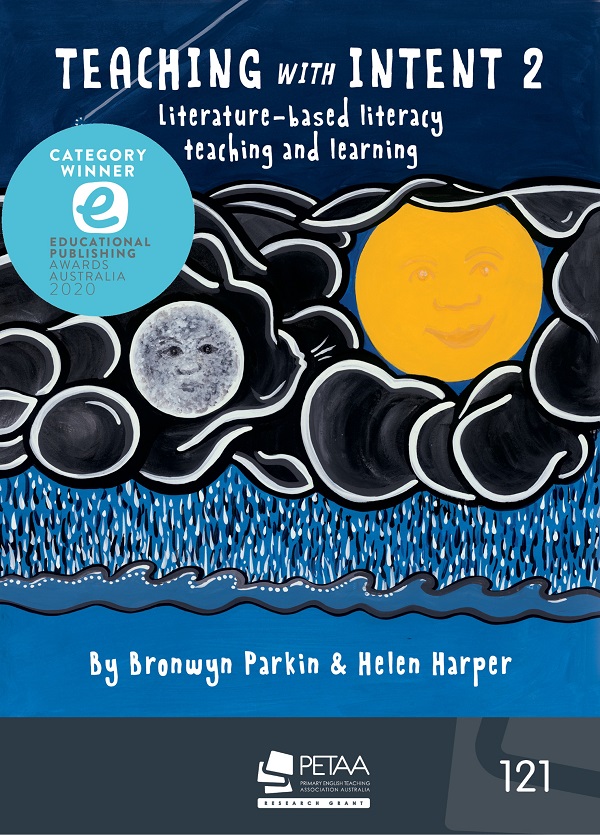
You may also refer to the PETAA text Teaching with intent 2: Literature-based literacy teaching and learning, by Dr Bronwyn Parkin and Dr Helen Harper.